

Sex the word itself is enough to make many uncomfortable! For years and decades, we have avoided conversation regarding sex, consent, relationships, STDs, and periods, but does this really solve the problem?
Sex education is one of the most crucial topics that deserves an open discussion, but all we do is brush this topic under the carpet. You will be surprised to know that India reports around 30,000 rape cases every year, and a million cases regarding harassment and molestation go unreported. We talk about the strict laws and policies, but do we really talk about the root cause of the problem?
What is sex education?
Many people think that sex education is about teaching young people how to have sex, but this is not the truth. Sex education is about providing them accurate information as per their age. Talking to them about consent and boundaries, gender equality, healthy relationships, safe practices, contraception, and reproductive health. It’s about teaching them sexual orientation and respecting diversity.
To be precise, it’s all about helping them with knowledge and skill to keep their choices informed, respectful, and safe.
As per the government rules and norms, there are respective subjects that talk about puberty, adolescence, periods, contraceptives, and reproductive health of men and women in school. However, these chapters are either skipped by the teacher or the students are told to read them themselves at home.
Why do we need sex education in India on an urgent basis?
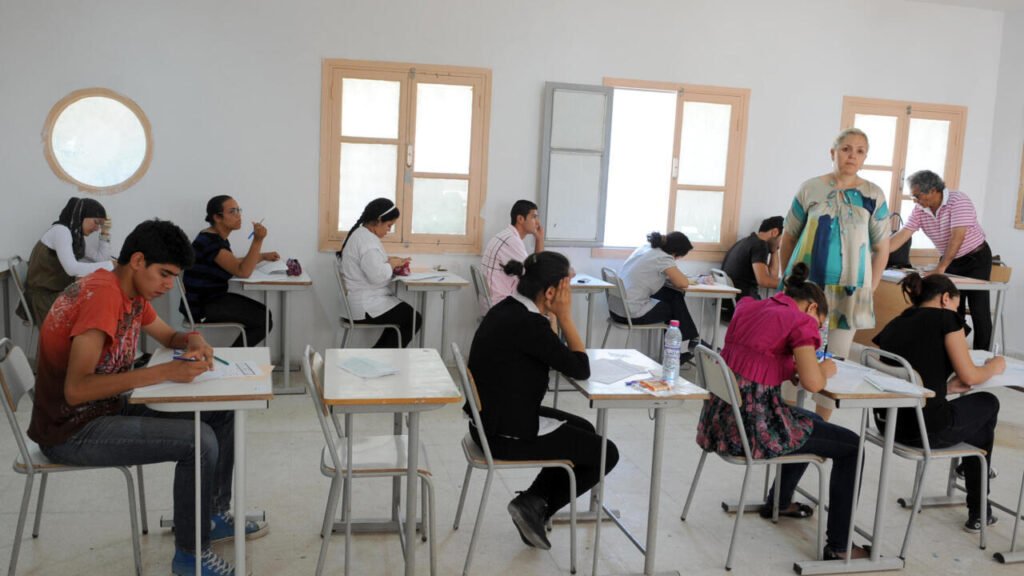
With a rapid increase in sexual violence and rape cases, informing people and giving them sex education has become the need of the year. There is no surprise that India ranks among the highest reported sexual assault cases. This is because people don’t understand the meaning of consent and boundaries. Men often grow up in toxic masculinity and harmful mixes that often lead to rape and molestation cases. In India sex is a forbidden topic and talking about it is. It is considered an offense. That is the reason. Many people still fail to understand that “no” means no. This lack of awareness regarding consent leads to misjudgement or makes it harder to accept no. If one has a strong sex education circulation, we can teach young people about the risk of STDs, teenage pregnancies can be avoided, and unsafe abortions can be stopped.
To your surprise, only 30% of the adolescent girls in India are aware of menstrual health and what reproductive hygiene is. Many girls still don’t have an idea about menstruation pads and safe hygiene.
If we teach children at an early age about their body personal space, then they will be less likely to violate boundaries as adults. Sex education will give women and girls the power to speak and identify abuse. This will help them understand what is wrong. What is right and where they can seek help without being judged or ashamed.
Teaching kids about sex education will help in addressing issues like toxic masculinity, victim blaming, boys will be boys, and so on. This will help in reducing the behavior and attitude that normalize harassment and molestation.
If children are given timely information regarding their body and sexuality, then unhealthy curiosity or curiosity-driven misbehavior will reduce automatically.
What are some of the common myths about sex education in India?
There are many people who still believe in some common myths regarding sex education. You will be surprised to know that people still believe that teaching children about sex education will encourage them to have sex at an early age. However, the fact is that students who receive sex education actually understand sexual activities and prefer practicing safe behavior.
Another myth is that people believe that parents can teach this behavior at home. However, most of the parents are still uncomfortable and lack the right knowledge. They never received the right kind of information to pass it down to their kids.
Another most popular myth is that talking about sex or giving sex education is against our Sanskar or culture. However, the real fact is that ancient India openly talked about sexuality.From the Kama Sutra to temple carvings, we have proof about how open Indian society was during ancient India. In fact, it was the Victorian era that made sex a taboo.
The current condition and stage of sex education in India
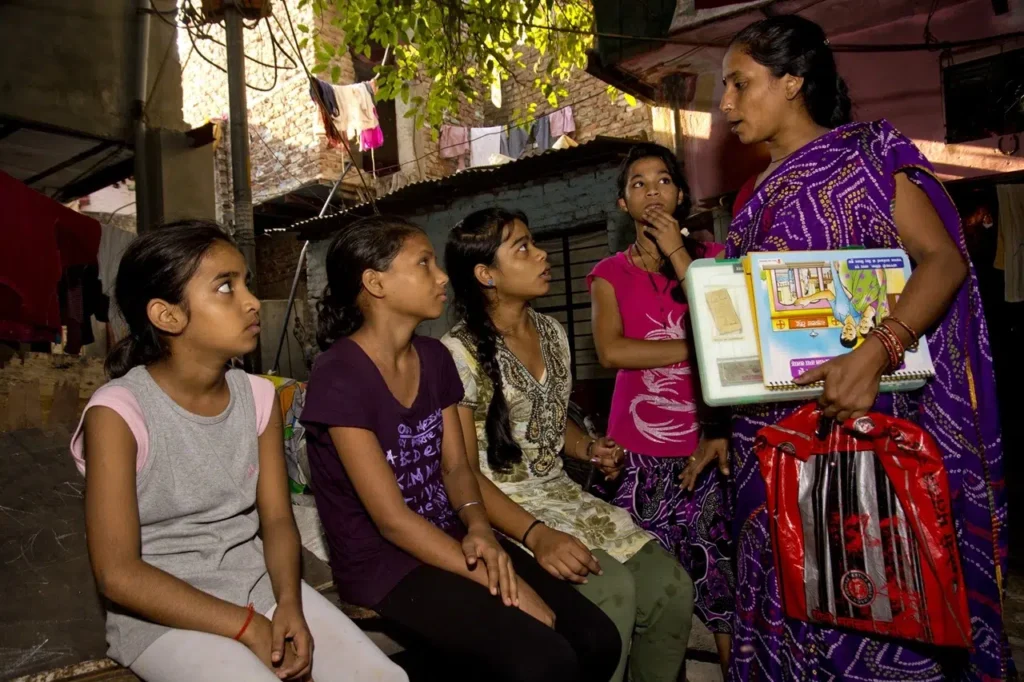
The government introduced AEP, the Adolescent Education Programme, in 2007. However, they received a lot of backlash, and this was banned in many states, citing that it is against Indian values and morals. Today there are only limited versions of this program in schools. However, topics like consent, contraception, and LGBTQ+ identities are still avoided.
There are a few NGOs that are working independently and creating awareness regarding the same. The change and the process are slow. However, with the right kind of approach, we can hasten the pace.
India needs to take an example from other countries like the Netherlands, where sex education is introduced at the age of four, where the children are talked about respecting their body and body autonomy. Sweden made sex education compulsory in 1955, and a very strong emphasis is given on equality and healthy relationships. The UK recently introduced sex and relationship education as compulsory in the school curriculum. This focuses majorly on consent and online safety. India needs to adapt such models, keeping the cultural sensitivity in mind. However, we need to educate children about the same.
CSE has made sex education compulsory in all middle schools. However, we need to train teachers about the right approach regarding the subject without feeling awkward. Parents need to attend and be involved in workshops that help in reducing stigma regarding sex education. This helps in building community support. Many digital platforms like social media, Instagram, YouTube, and other regional apps should reach out and focus on teaching people about the same. We need to understand that sex education is not only about teaching the body but also about consent, respect, and freedom.
Conclusion:
We need to understand that sex education is a necessity. If you want to build a happier and safer society. When children are taught to respect themselves and oppose gender since childhood, then concepts like consent become less challenging. This helps in reducing the sexual violence and helps people understand the difference between good and bad touch.
With the increase in the number of rape, harassment, and molestation cases, it’s high time for India to focus on tackling the situation by providing proper knowledge and education. The changes are slow. However, every effort to do it is worth it.